

Adrenal Health
Great Customer Service
Nurse Practitioners & MDs Present to Assist
Free Consultations
(833) 222-7247
Adrenal Health
Great Customer Service
Nurse Practitioners & MDs Present to Assist
Free Consultations
(833) 222-7247
Functional Medicine & Biohormone Academy respectfully recommends
ZRT Laboratories for Adrenal Testing and Management.
Our depth in treating adrenal fatigue has proven to provide helpful insight for our physicians.
Learn About Adrenal From Us
Call us for a FREE consultation.
(833) 222-7247

What Are
Adrenal Glands?
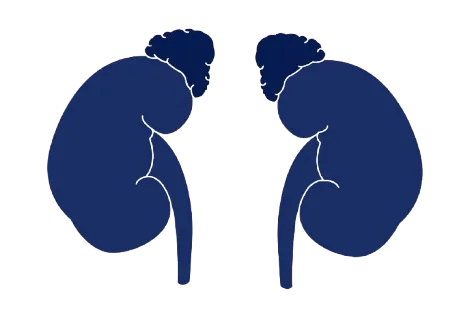
The adrenal glands, otherwise known as the “stress glands,” enable our bodies to cope with stress and survive. Shaped like two tiny pyramids, they sit atop the kidneys and from this central location mobilize the response to changes in our environment.
Whether stress comes from outside in the form of a natural disaster, or from within like the anxiety we experience before public speaking, it is the adrenals’ job to help us adapt to the situation.
They accomplish this by secreting key hormones:
Cortisol: The primary stress hormone that fine-tunes our response to the stress of everyday living
DHEA: One of the most abundant hormones in the body, and a precursor to estrogens and testosterone; also balances some of the negative effects of high cortisol
Epinephrine / Norepinephrine: Neurotransmitters that mobilize the body’s natural “fight or flight” response in an emergency
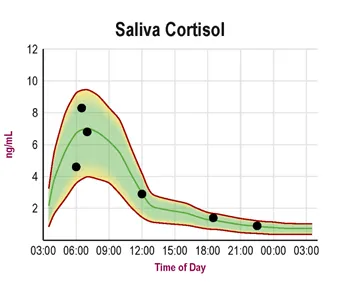
Patients can conduct a saliva cortisol test or a urine cortisol test to assess adrenal hormones. This involves collecting four non-invasive samples over the course of one day, from which ZRT can generate results with a diurnal cortisol curve. This four-point graph reveals cortisol levels throughout the day and allows health care providers to pinpoint issues with adrenal gland function.
Adrenal glands that are in balance produce adequate amounts of hormones to power us through the day. These hormones impact just about every process in the body, from energy production and immune activity to cellular maintenance and repair. They are key regulators of glucose, insulin, and inflammation, and play a major role in bone and muscle building, mood and mental focus, stamina, sex drive, and sleep cycles.
Adrenal glands that are
out of balance can lead to:
High Cortisol
Results in insomnia, anxiety, sugar cravings, feeling tired but wired, increased belly fat & bone loss.
Low Cortisol
Causes chronic fatigue, low energy, food and sugar cravings, poor exercise tolerance or recovery & low immune reserves.
DHEA
Out of balance adrenals can lead to high or low DHEA.
High Cortisol
Results in insomnia, anxiety, sugar cravings, feeling tired but wired, increased belly fat & bone loss.
Low Cortisol
Causes chronic fatigue, low energy, food and sugar cravings, poor exercise tolerance or recovery & low immune reserves.
DHEA
Out of balance adrenals can lead to high or low DHEA.
High Cortisol
Results in insomnia, anxiety, sugar cravings, feeling tired but wired, increased belly fat & bone loss.
Low Cortisol
Causes chronic fatigue, low energy, food and sugar cravings, poor exercise tolerance or recovery & low immune reserves.
DHEA
Out of balance adrenals can lead to high or low DHEA.
Ideal Ways to Assess Adrenal Hormones
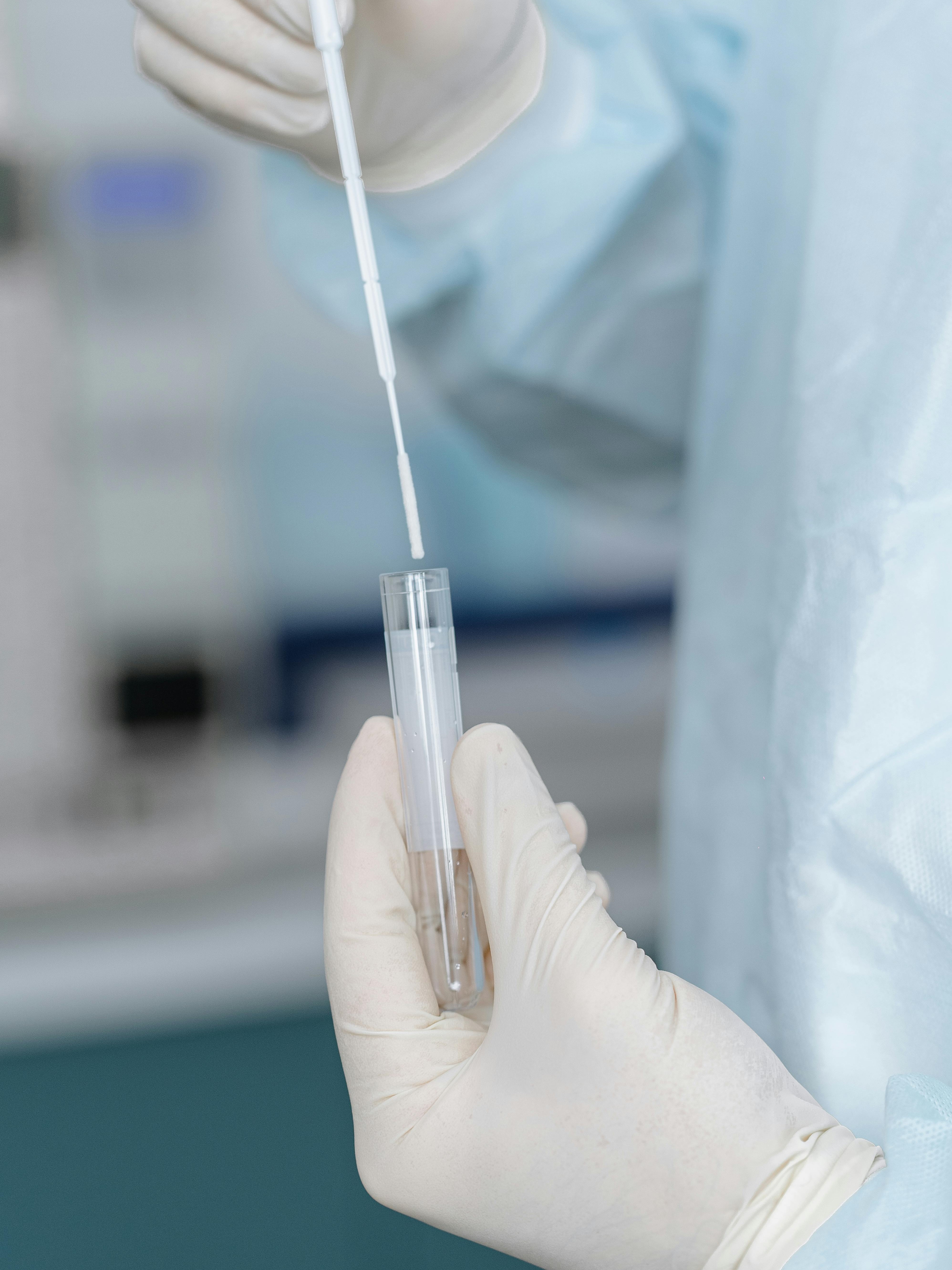
Saliva testing has long been used as an accurate and reliable method for measuring cortisol because it is simple and non-invasive, and patients can collect these samples multiple times per day. It is easy to assess DHEA in these samples too.
A newer method that’s just as reliable as saliva testing has also been gaining ground – dried urine testing. Studies show that urine is just as effective for measuring cortisol and DHEA levels, and it is also simple enough for patients to collect multiple times per day.
Due to the nature of the sample collection, there is some difference between saliva and urine testing for diurnal cortisol.
The added benefit to dried urine testing is that epinephrine and norepinephrine can be measured at the same time, so patients who want a complete adrenal assessment can now get all four key markers together.
Saliva testing has long been used as an accurate and reliable method for measuring cortisol because it is simple and non-invasive, and patients can collect these samples multiple times per day. It is easy to assess DHEA in these samples too.
A newer method that’s just as reliable as saliva testing has also been gaining ground – dried urine testing. Studies show that urine is just as effective for measuring cortisol and DHEA levels, and it is also simple enough for patients to collect multiple times per day.
Due to the nature of the sample collection, there is some difference between saliva and urine testing for diurnal cortisol.
The added benefit to dried urine testing is that epinephrine and norepinephrine can be measured at the same time, so patients who want a complete adrenal assessment can now get all four key markers together.
Cortisol Awakening Response
The Cortisol Awakening Response – also called CAR – reveals more detailed clues that help in assessing adrenal hormone/HPA Axis dysfunction. This testing is often useful for cases of PTSD, major depression, chronic fatigue syndrome and other severe stress conditions.
During a normal cortisol awakening response, adrenal hormone levels should increase 50% in the first 30 minutes after waking for the day and then begin to progressively drop through the afternoon and evening. To capture this response, three – rather than one – morning saliva collections are needed to properly chart the diurnal cortisol curve.
Cortisol Awakening Response Sample Collection
6-Tube Collection: Six cortisol collections in 24 hours is the most common method for assessing CAR. Start saliva collection within five minutes of walking for the day, followed by a second sample at 30 minutes, and a third sample at 60 minutes. The rest of the diurnal rhythm can be assessed at the normal time intervals – noon, evening, and night (shown below).
4-Tube Collection: Alternately, CAR can be assessed with four cortisol collections in 24 hours. When using this method, collect a sample immediately upon waking, 30 minutes after waking, then at noon or evening, and night.
Service Area
hours
contact us
Global Reach
1401 Malvern Avenue,
#180 Hot Springs, Arkansas 71901 USA
Monday - Friday
(8:00 am - 6:00 pm)
Central Standard Time
Saturday (Closed)
Sunday (Closed)
This is a Paragra
p h
Font

Manage Consent Preferences
Do Not Share My Information | Conditions of Use | Notice and Take Down Policy | Website Accessibility Policy
Website Payment & Customer Policies
© 2026 The content on this website is owned by us and our licensors. Do not copy any content (including images) without our consent.
Service Area
Global Reach
1401 Malvern Avenue,
#180 Hot Springs, Arkansas 71901 USA
hours
Monday - Friday (8:00 am - 6:00 pm)
Central Standard Time
Saturday (Closed)
Sunday (Closed)
contact us
Manage Consent Preferences
Do Not Share My Information | Conditions of Use | Notice and Take Down Policy | Website Accessibility Policy
Website Payment & Customer Policies
© 2026 The content on this website is owned by us and our licensors. Do not copy any content (including images) without our consent.